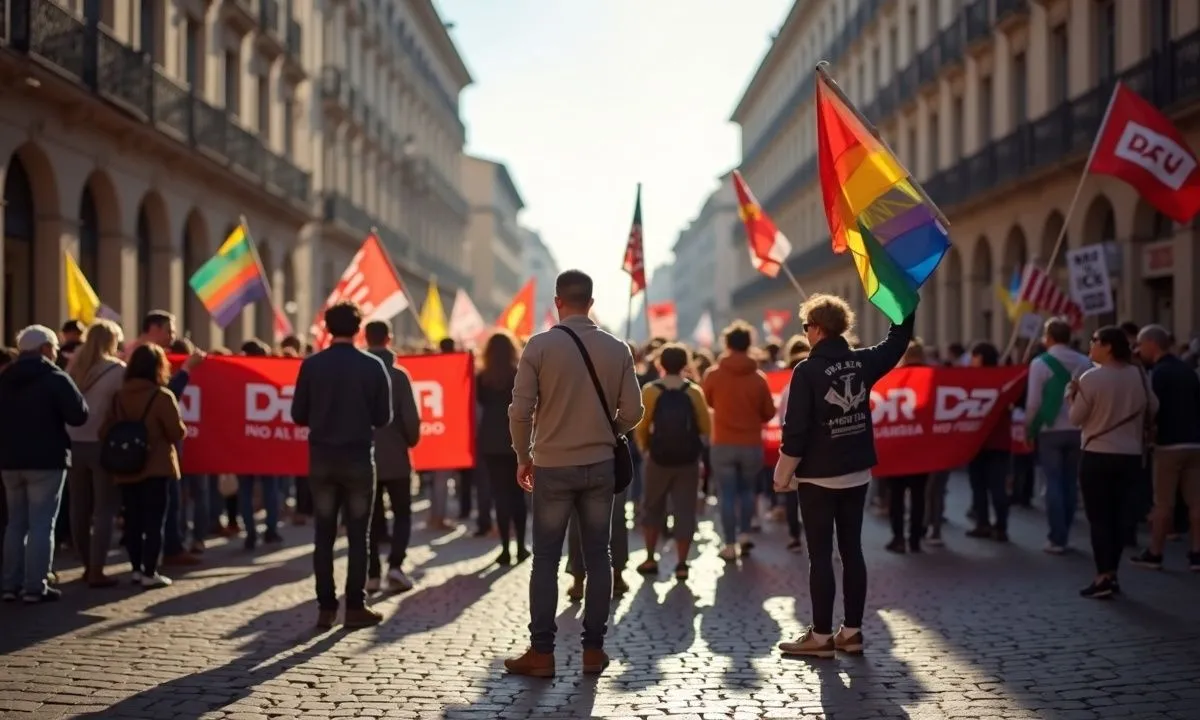
On a sunny afternoon in Milan, the streets buzzed with a palpable energy. Crowds gathered, banners waved, and the air was thick with the scent of protest. This wasn’t just any demonstration; it was the ‘No ICE in Milano’ protest, a movement that has caught the attention of not only local citizens but also the global community. The sight of thousands of passionate individuals rallying against the use of internal combustion engines (ICE) in one of Italy's busiest cities raises an essential question: why is Milan's stance on this issue making waves around the world?
The Historical Context of Milan's Air Pollution
Milan, a city famed for its fashion and design, has long grappled with air quality issues. The historical reliance on vehicles powered by fossil fuels has resulted in a significant pollution problem. According to reports, Milan frequently tops the charts for poor air quality in Europe, with particulate matter levels exceeding recommended limits. Residents have faced health risks, and the city has struggled to balance its status as an economic hub with environmental sustainability.

In recent years, the Italian government has implemented various measures to combat air pollution, including the introduction of low-emission zones. However, many citizens argue that these efforts are insufficient. The ‘No ICE in Milano’ protest embodies a growing frustration with the slow pace of change and a desire for more decisive action to protect public health and the environment.
The Goals of the Protest
The goals of the protest are as ambitious as they are clear. Activists aim to phase out the sale of new internal combustion engine vehicles by 2030, a target that aligns with broader European Union climate goals. They advocate for a significant shift towards electric vehicles and improved public transportation systems. The rallying cry resonates with many who feel that the time for half-measures has passed.

Participants range from environmental activists and concerned citizens to families and even local business owners who understand the long-term benefits of cleaner air. Their banners proclaim a vision for a greener Milan, one that prioritizes health over convenience and sustainable practices over outdated technologies. This collective ambition has turned a local issue into a global conversation, drawing attention from environmentalists and policymakers around the world.
The Role of Youth in the Movement
One notable aspect of the ‘No ICE in Milano’ protest is the prominent role of young people. Students and young professionals have taken the lead, echoing similar movements globally. Inspired by figures like Greta Thunberg, they are vocalizing their demands for immediate action against climate change. Their presence at the protest signifies a generational shift in attitudes towards sustainability and environmental responsibility.
These young activists articulate a vision for the future that goes beyond Milan. They emphasize the need for systemic change, urging governments and corporations alike to prioritize eco-friendly practices. Their involvement not only energizes the protest but also ensures that the conversations around climate policy remain relevant and progressive.
Responses from Local Government and Businesses
In the wake of the protest, reactions from local government officials and businesses have varied. Some politicians have expressed support for the protestors’ demands, acknowledging the urgent need for action on climate change. Others, however, have been more cautious, citing economic concerns and the potential impact on jobs associated with the automotive industry.
Businesses, too, are caught in the crossfire. While some companies have begun to pivot towards electric vehicle production and sustainable practices, others remain hesitant. The challenge lies in balancing profitability with environmental responsibility. This tension is further complicated by the fact that many residents depend on traditional vehicles for their daily commutes.
The Global Impact of Milan's Protest
Milan’s protest is more than just a local outcry; it serves as a microcosm of the global struggle against climate change. Cities around the world are grappling with similar issues, from air quality to transportation. By standing firm in their demands, Milan's citizens are setting a precedent for other urban centers facing comparable challenges. It raises the question: if Milan can mobilize so effectively, what can other cities learn from this example?
As various nations push for net-zero emissions targets, the eyes of the world are on cities like Milan. The protest has sparked discussions on social media platforms, where environmental activists share strategies and successes. This interconnectedness highlights the importance of collaboration in addressing climate-related issues. It demonstrates that while local actions are crucial, they can also resonate on a global scale.
Public Sentiment and Media Coverage
The media coverage surrounding the ‘No ICE in Milano’ protest has captured a range of public sentiments. Many citizens express a growing urgency for the city to take bolder steps against pollution, while others remain skeptical about the feasibility of a complete transition away from internal combustion engines. Articles, opinion pieces, and social media commentary reflect both support and skepticism, showcasing the complexity of public opinion on this critical issue.
As the protest continues to garner attention, it serves as a reminder that public discourse around environmental issues must include diverse viewpoints. Engaging with differing opinions can lead to more comprehensive solutions that address the needs of all stakeholders involved.
The Path Forward for Milan
Milan stands at a crossroads, with the recent protests highlighting a crucial moment in its environmental policy journey. The city must now consider how to balance economic interests with the pressing need for sustainable practices. The continued push for electric vehicles, expanded public transportation, and enhanced urban planning could pave the way for a cleaner, healthier Milan.
As citizens rally for change, their determination reflects a broader shift in societal values towards sustainability. The ‘No ICE in Milano’ protest is not just a local event; it is a call to action that resonates far beyond Italy’s borders. It challenges other cities and countries to reconsider their own approaches to climate change and air quality.
As Milan navigates this complex landscape, the voices of its residents will play a pivotal role in shaping its future. The world is watching, eager to see how one of Europe's most iconic cities will respond to the challenges of our time. The narrative around Milan's protest is still unfolding, and it invites us all to reflect on our own responsibilities in the fight against climate change.




Comments (0)
No comments yet. Be the first to comment!
Leave a Comment