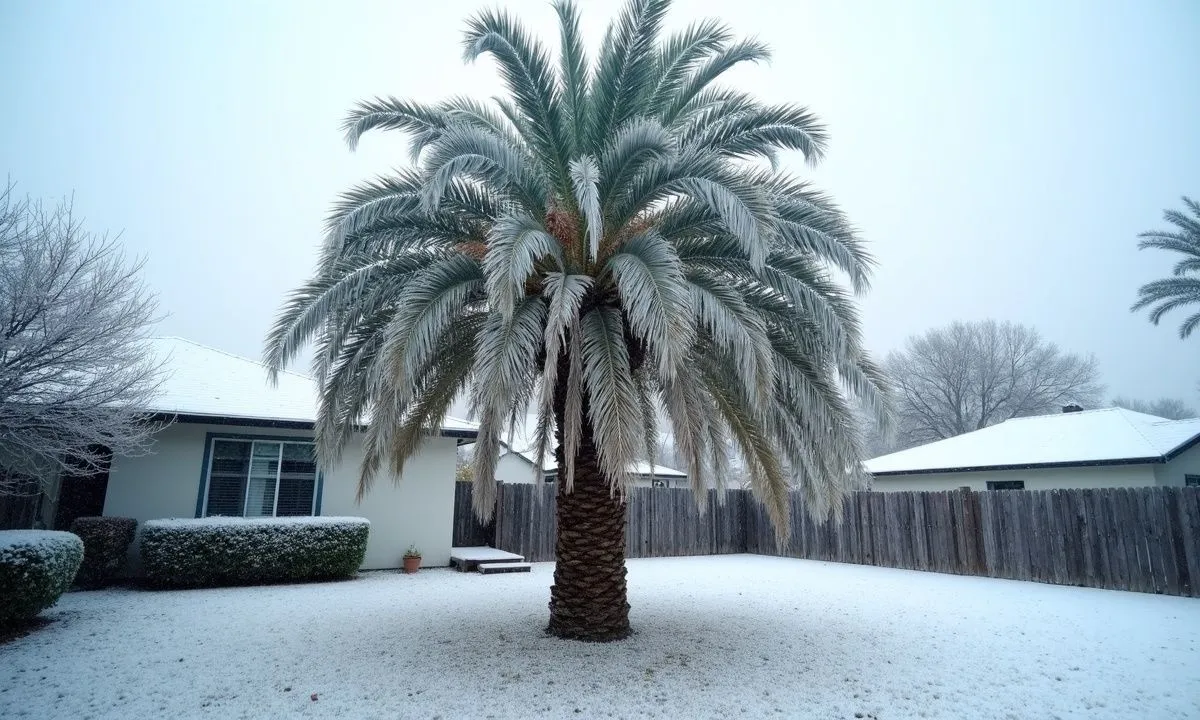
February 2026 marked an unprecedented weather phenomenon that took many by surprise: Florida, known for its sun-soaked beaches and temperate winters, recorded temperatures that dipped lower than those in Alaska. Residents accustomed to mild winter days found themselves bundled up against an unbelievable cold snap, with the chill leaving a palpable impact across the state. This sudden and extreme turn of events not only caught the attention of Floridians but also intrigued meteorologists and climate enthusiasts alike.
The Unfolding of the Cold Snap
As February rolled in, forecasts hinted at a chill, but few expected the dramatic plunge in temperatures that would follow. While Alaskan cities prepared for their routine winter weather, Florida's meteorological landscape shifted dramatically. From Orlando to Miami, the state that typically enjoys mild winters experienced freezing temperatures, with some areas recording lows in the mid-20s Fahrenheit. For many Floridians, this wasn't just a cold spell; it was a new reality.
Understanding the Meteorological Factors
The unusual cold snap was attributed to a combination of atmospheric conditions. A polar vortex, which usually remains anchored in the Arctic, shifted southward, dragging frigid air into the southeastern United States. This event is not unheard of, but its intensity and reach into Florida were striking. As temperatures dropped, residents found themselves confronting an unexpected winter, with frost warnings and even snow flurries reported in some northern parts of the state.
Impact on Daily Life
For many Floridians, this cold front brought about significant changes in daily routines. Schools were closed, and local government agencies issued weather advisories. In a state known for its outdoor lifestyle, people suddenly turned to indoor activities, seeking warmth and comfort. Local businesses that typically thrived on tourism found themselves adjusting to the unusual weather, with fewer beachgoers and an increase in demand for heating products.
Adapting to the Cold
Floridians quickly adapted to the shocking cold. Residents scoured stores for winter clothing, searching for coats, gloves, and hats that had been tucked away. Social media buzzed with images of frozen fountains and icicles hanging from palm trees, which were rare sights in the Sunshine State. Families gathered around fireplaces, sharing stories and enjoying hot cocoa as a way to embrace the unexpected chill.
Affecting Flora and Fauna
The cold snap also had consequences for Florida's diverse ecosystems. Many plants that thrive in the subtropical climate struggled to cope with the sudden drop in temperature. Citrus growers worried about potential damage to their crops, as the freeze threatened fruit production. Wildlife, too, faced challenges, with many animals unaccustomed to such cold weather seeking shelter or altering their behaviors to survive.

Historical Context of Weather Extremes
Florida's cold snap is a reminder of the state's complicated climatic history. While the region is celebrated for its warm temperatures, it has experienced significant weather events in the past. Historical records indicate that the state has seen cold snaps before, but none quite like this in recent memory. Such extremes raise questions about the broader implications of climate change and shifting weather patterns, making this event a point of discussion among scientists and residents alike.
Community Response and Resilience
In the face of adversity, communities banded together to support one another. Local organizations coordinated efforts to ensure that those in need received assistance, particularly the homeless population who were especially vulnerable to the cold. Shelters opened their doors, providing warmth and comfort during the harsh nights. This sense of community resilience highlighted Florida's ability to come together, even in the most challenging of circumstances.
Lessons Learned from the Cold
The cold snap served as a wake-up call for many Floridians regarding the importance of preparedness. Emergency management agencies began discussions about winterization plans, emphasizing the need for individuals and families to have resources and strategies in place for unexpected weather events. This shift in mindset is crucial for a state not traditionally associated with severe winter weather, encouraging residents to think ahead and be ready for anything.
The Bigger Picture: Climate Change and Weather Patterns
This unbelievable cold snap is part of a larger conversation about climate change and its effects on weather patterns. While extreme weather events have always existed, their frequency and intensity seem to be increasing, prompting scientists to take a closer look at the factors contributing to these changes. For Florida, a state already grappling with the impacts of rising sea levels and hurricanes, this cold front is another element of a complex and evolving climate narrative.
Future Implications
The implications of this cold snap extend beyond immediate weather concerns. For policymakers and environmental advocates, it becomes essential to consider how such events will shape future infrastructure, agriculture, and emergency response strategies. The unpredictability of weather can have lasting effects on various sectors, from tourism to agriculture, as stakeholders adapt to new norms.
Reflecting on the Experience
As the temperatures gradually rose and Florida returned to its typical warmth, many residents reflected on the experience. The cold snap was not just a meteorological anomaly; it was a reminder of nature's power and unpredictability. Conversations about climate awareness and preparedness permeated community discussions, with many recognizing the importance of being ready for whatever weather might come next.
Looking Ahead
The events of February 2026 may have been shocking, but they also provided a chance for growth and understanding. Floridians learned not only to appreciate their sun-kissed days but also to acknowledge the reality of climate variability. As the state moves forward, there lies an opportunity to foster a culture of resilience and adaptability, ensuring that when the next unbelievable cold snap arrives, the community is better prepared to face it.




Comments (0)
No comments yet. Be the first to comment!
Leave a Comment