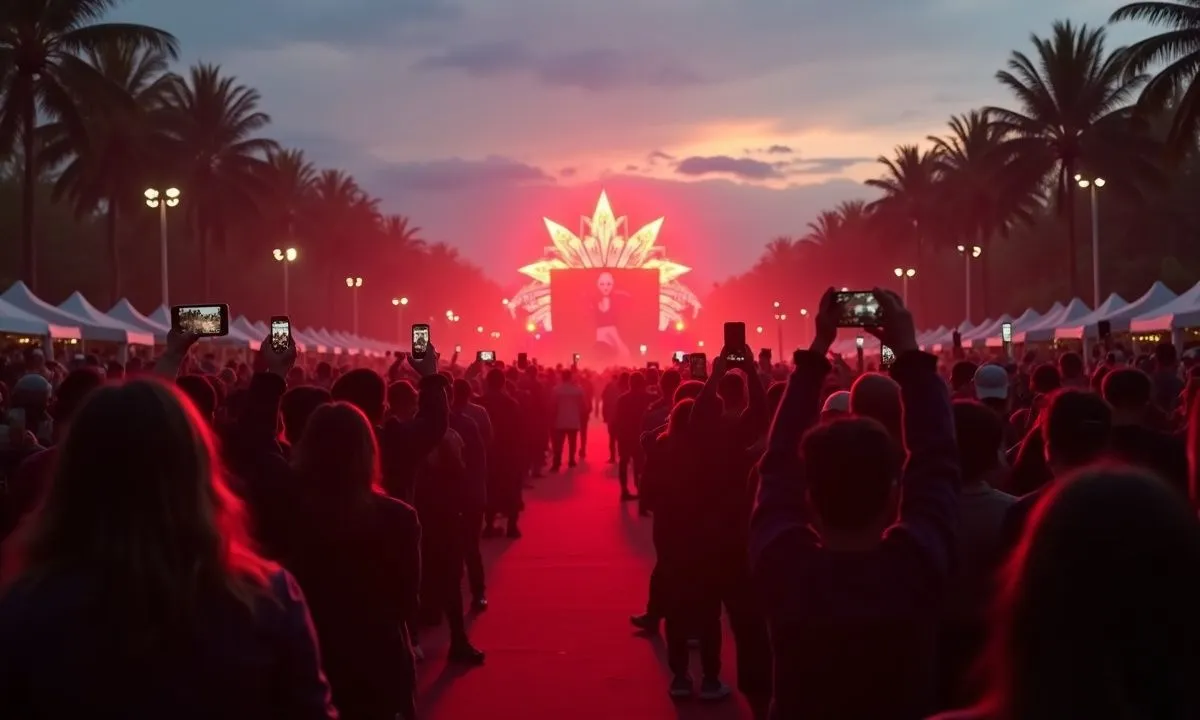
The anticipation surrounding the Grammys 2026 is palpable, especially as the music industry gears up for another night of celebration and recognition. In a year that has been relatively light on drama compared to previous ceremonies, all eyes are set to focus on one name: Bad Bunny. The Puerto Rican superstar has not only dominated charts globally but has also become a cultural icon that transcends borders. As the Grammys approach, his presence looms large, sparking conversations about representation, genre evolution, and the future of music itself.
Bad Bunny: A Cultural Phenomenon
Bad Bunny, born Benito Antonio Martínez Ocasio, has redefined what it means to be a global artist in the modern age. His blend of reggaeton, trap, and Latin pop has made him a household name, but it's more than just catchy beats that draw fans to him. His unapologetic embrace of his identity, along with his bold fashion choices and advocacy for social issues, resonates deeply with a diverse audience. This Grammy season, his impact on both music and culture cannot be overlooked.
The Rise of Latin Music
The past few years have seen a significant shift in the music landscape, with Latin music gaining unprecedented traction in mainstream charts. Bad Bunny has played a pivotal role in this change, breaking barriers and paving the way for other Latin artists. His collaborations with artists from various genres, including J Balvin and Dua Lipa, showcase the fluidity of music today. This Grammy ceremony is likely to highlight these trends, as Latin music continues to find its place at the forefront of popular culture.
Grammy Nominations: What’s at Stake
As the Grammys 2026 approach, the nominations are a hot topic of discussion. With Bad Bunny's latest album receiving critical acclaim, many speculate that he is a strong contender for Album of the Year. This category is often considered the crown jewel of the Grammys, and a win would not only solidify his status as a leading artist but also signify a broader acceptance of Latin music within the industry.
Competition and Controversy
The competition for the top awards is expected to be fierce. Artists like Taylor Swift, Billie Eilish, and Ed Sheeran are also in the running, each bringing their own fanbase and artistic merit. However, what sets Bad Bunny apart is not just his music but his ability to connect with fans on a personal level. His lyrics often reflect the struggles and joys of everyday life, resonating with listeners far beyond the music itself.

While the Grammys have faced criticism in the past for their lack of diversity and the occasional snubbing of deserving artists, the presence of Bad Bunny can be seen as a step towards a more inclusive recognition of talent. His rise can inspire conversations around the need for the awards to adapt and reflect the true diversity of the music scene today.
The Night of the Ceremony
As the big night approaches, fans and industry insiders alike are wondering what the Grammy stage will look like this year. Bad Bunny is expected to deliver a performance that captures his vibrant energy, likely blending traditional elements with modern flair. His live shows are known for their theatricality and passion, offering a glimpse of his multifaceted artistry.
Fashion and Statement Moments
The Grammys are not just about music; they are a showcase of fashion and personal expression as well. Bad Bunny is known for his bold style choices, often challenging gender norms and expectations within the fashion industry. Whether it’s a flamboyant outfit or a subtle nod to his Puerto Rican heritage, his appearance at the Grammys could spark conversations far beyond the music categories. Fans will be watching closely, expecting him to make a statement that aligns with his artistic vision and personal beliefs.
What This Means for the Future
The potential success of Bad Bunny at the Grammys 2026 could have lasting implications for the music industry. If he wins major awards, it could encourage record labels to invest more in Latin artists and diversify their rosters. This shift could help pave the way for more artists from underrepresented backgrounds to gain recognition and opportunities within the industry.
Building Bridges Across Genres
Bad Bunny’s music often fuses various genres, which is a reflection of the current state of the industry. The lines between styles are increasingly blurred, with collaborations becoming more common. For instance, his work with artists from various backgrounds illustrates a growing trend where musical boundaries are less of a barrier and more of a canvas for creativity. This evolving landscape suggests that the Grammys of the future may celebrate a wider array of sounds and styles.
Audience Engagement and Social Media Buzz
In an age dominated by social media, the Grammys 2026 will likely see real-time reactions and interactions from fans all over the world. Bad Bunny’s strong online presence means his performance and potential wins will generate significant buzz across platforms like Twitter, Instagram, and TikTok. This engagement not only amplifies his influence but also reflects how modern audiences consume music and culture.
The Role of Fan Communities
Fans play a crucial role in shaping an artist's career, and Bad Bunny has cultivated a deeply loyal following. His fans, known as "Conejitos," are not just passive listeners; they actively promote his music and advocate for his recognition. This grassroots support can be felt during award season, as passionate fans rally to vote and campaign for their favorite artists. The community aspect of music consumption today is something the Grammys will need to acknowledge, as it presents a new layer of engagement.
The Bigger Picture: Music and Society
As we look ahead to the Grammys 2026, it’s worth considering the broader societal implications of recognizing artists like Bad Bunny. Music has always been a reflection of cultural shifts and social movements. Bad Bunny’s success coincides with a growing awareness of issues such as immigration, identity, and gender fluidity. By spotlighting artists who challenge traditional norms, the Grammys can contribute to a larger narrative of acceptance and representation.
Making Waves Beyond the Stage
The influence of artists like Bad Bunny extends beyond music alone. He uses his platform to advocate for social change, speaking out on issues that matter to him and his community. This activism resonates with fans who seek authenticity and purpose in the music they consume. As a result, the 2026 Grammys may not only celebrate musical achievements but also highlight the importance of artists' roles as advocates for change.
Final Thoughts
The Grammys 2026 promise to be an exciting event, with Bad Bunny positioned at the center of it all. His journey from a local artist in Puerto Rico to a global sensation exemplifies the evolving nature of music and culture. As the night unfolds, it will be fascinating to see how the industry honors his contributions and those of others who have broken new ground. This awards ceremony could very well set the tone for the future, signaling a shift towards greater inclusivity and recognition of diverse talents in the music world.
As we await the performances and announcements, one thing is clear: Bad Bunny’s story is far from over. His influence will likely continue to resonate, making waves not just in the music industry but in society as a whole. The Grammys, for all their glitz and glamour, hold the potential to be a significant platform for artists who dare to challenge the status quo and inspire change.




Comments (0)
No comments yet. Be the first to comment!
Leave a Comment