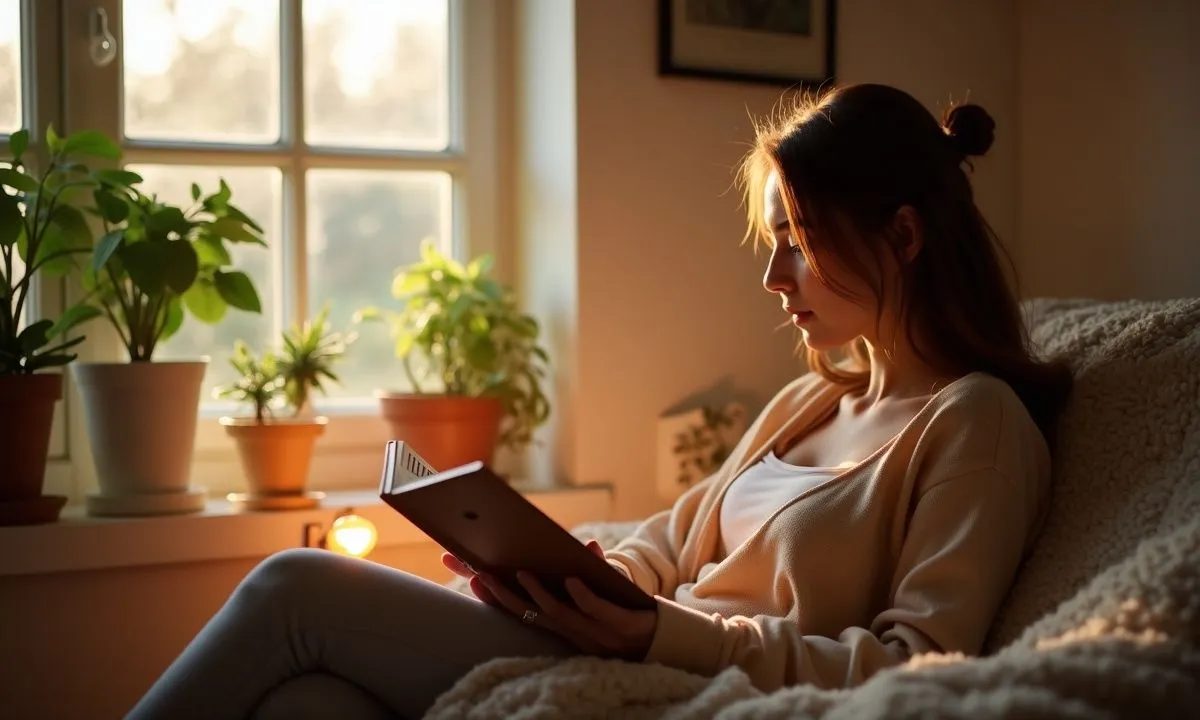
As the days grow shorter and the clouds seem to linger longer, many people find themselves battling the winter blues. The cold months can feel particularly dull, often leaving individuals yearning for a dose of sunshine. This is where light therapy lamps come into play, offering a glimmer of hope for those seeking a natural mood lift. But how to use a light therapy lamp correctly in 2026 is a question worth addressing, especially for anyone keen on harnessing its benefits.
Understanding Light Therapy
Light therapy, often referred to as bright light therapy, has gained traction as a method to combat seasonal affective disorder (SAD) and other mood-related issues. These lamps mimic natural sunlight, providing the bright light that many find lacking during the darker months. The appeal of light therapy lies in its simplicity and accessibility. Imagine waking up in the morning, feeling the warmth of simulated sunlight on your face, almost like a gentle nudge to start your day on a positive note.
Choosing the Right Lamp
Not all light therapy lamps are created equal. When selecting one, consider the intensity of the light, measured in lux. A lamp that emits at least 10,000 lux is generally recommended for effective therapy. Additionally, pay attention to the color temperature; a lamp that mimics the natural daylight spectrum is often more beneficial. Brands may vary widely, so reading reviews or seeking recommendations can provide insight into which lamps have worked well for others.

Timing is Key
Using a light therapy lamp is not just about flipping a switch. Timing plays a crucial role in its effectiveness. Most recommendations suggest using the lamp in the morning, right after waking up. This timing can help reset your circadian rhythm, aligning your body clock with the natural light-dark cycle. Spending about 20 to 30 minutes in front of the lamp can be enough to experience its potential benefits. Keep in mind, consistency matters; aim to make this a part of your daily routine.
Setting Up Your Space
The environment where you use your light therapy lamp can influence its effectiveness. Ideally, position the lamp about 16 to 24 inches away from your face, slightly angled downward. This setup allows the light to reach your eyes without causing discomfort. You don’t need to stare directly at the lamp; simply having it in your peripheral vision as you go about your morning routine—perhaps while sipping coffee or reading—can be sufficient.
Creating a Ritual
Integrating a light therapy session into your morning can be a delightful ritual. Consider pairing it with other activities that promote a positive mindset. For instance, try journaling your thoughts or practicing mindfulness while enjoying the light. This can create a holistic approach to your morning, setting a tone of positivity for the rest of the day. Alternatively, listen to your favorite podcast or enjoy some uplifting music during your session. The key is to make it a moment you look forward to.

Potential Side Effects
While many people find light therapy beneficial, it's not without its drawbacks. Some individuals may experience headaches, eye strain, or irritability after using the lamp, especially if they use it for too long or too close. It’s wise to start with shorter sessions, gradually increasing the time as your body adjusts. If you have pre-existing conditions, such as bipolar disorder or eye issues, consulting a healthcare professional before starting light therapy is advisable.
Combining Light Therapy with Other Practices
Light therapy can be most effective when combined with other practices that support mental well-being. Regular exercise, a balanced diet, and adequate sleep are foundational elements that can amplify the positive effects of light therapy. For example, a brisk morning walk followed by a light therapy session can invigorate your body and mind. Similarly, engaging in creative activities—be it painting, writing, or cooking—can help channel the energy you gain from the light into something productive and fulfilling.
When to Seek Professional Guidance
If you find that your mood does not improve despite consistent use of a light therapy lamp, it may be time to seek professional guidance. Mental health professionals can offer a variety of approaches tailored to individual needs. They can also help determine if there are underlying issues that require more focused attention, such as therapy or medication. Understanding that light therapy is just one tool in a larger toolkit for mental health can provide reassurance.
Adapting to New Technologies
As we move further into 2026, advances in technology continue to shape how we approach mental wellness. Smart light therapy lamps are emerging, equipped with features that can adjust brightness and color temperature based on the time of day. These lamps can connect to your smartphone, allowing for personalized settings that align with your lifestyle. Embracing these advancements could offer a more tailored experience, making it easier to incorporate light therapy effectively into your daily life.
Maintaining Realistic Expectations
While many individuals report feeling better with light therapy, maintaining realistic expectations is vital. This approach is not a quick fix. It may take several weeks of consistent use before noticing significant changes in mood. Keeping a daily journal to track your feelings and any changes can help you stay motivated and aware of your progress. Remember, the journey towards improved mental well-being can be gradual, and each small step counts.
Finding Your Light
In the quest for better mental health, light therapy has emerged as a practical option for those navigating darker months or challenging periods. Understanding how to use a light therapy lamp correctly can make a significant difference in your experience. From choosing the right lamp to establishing a routine, each step contributes to fostering a healthier mindset. As you integrate this practice into your life, remember to be patient with yourself. Your journey towards finding light in the shadows may unfold in unexpected and rewarding ways.




Comments (0)
No comments yet. Be the first to comment!
Leave a Comment