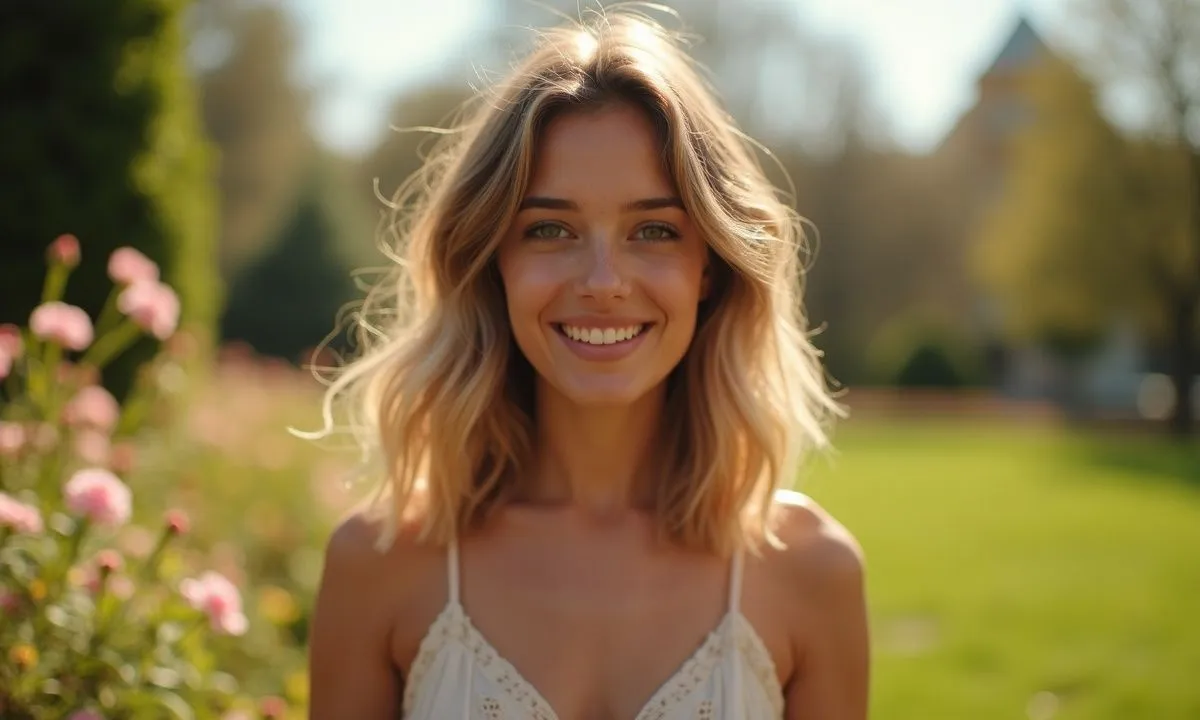
In the ever-changing world of hair trends, some styles seem to capture the collective imagination of the masses. As we step into 2026, one hairstyle in particular has emerged as a favorite: the butterfly cut. This playful, layered look has been seen on runways, in salons, and on social media platforms, garnering attention for its effortless charm and versatility. With its flowing layers, the butterfly cut offers a fresh take on how we approach our hair, balancing modern sensibilities with a nod to nostalgic styles.
The Allure of Flowing Layers
The butterfly cut is characterized by its soft, feathered layers that create movement and texture. These layers are typically shorter at the crown and gradually become longer towards the ends, forming a shape that resembles the wings of a butterfly when the hair is in motion. This design not only adds depth but also allows for various styling options, making it adaptable for both casual and formal occasions.

As we observe the rise of this hairstyle, it’s interesting to consider what draws people to it. Perhaps it’s the way the butterfly cut frames the face, enhancing features without overshadowing them. Or maybe it’s the low-maintenance aspect; the layers lend themselves to a naturally tousled look that doesn’t require excessive styling. The freedom and ease associated with this hairstyle have made it particularly appealing in our busy lives.
A Nod to the Past
Hair trends often reflect broader cultural shifts, and the butterfly cut is no exception. Reminiscent of the layering techniques popularized in the 1970s and 80s, this style evokes a sense of nostalgia. Many are drawn to it as a way to reconnect with simpler times, when hairstyles were less about perfection and more about expression. The butterfly cut captures that spirit beautifully, allowing individuals to showcase their personality while still looking polished.

In many ways, the resurgence of this hairstyle parallels the broader trend of embracing authenticity. As social media encourages candid snapshots of life, people are increasingly seeking hairstyles that resonate with their true selves. The butterfly cut serves as a perfect canvas for individual expression, inviting creative variations that suit different hair types and personal styles.
Celebrity Influence
It’s hard to ignore the impact of celebrity culture on hairstyle trends. In recent months, several high-profile personalities have sported the butterfly cut, contributing to its growing popularity. Whether it’s a casual coffee shop outing or a glamorous red carpet event, stars have showcased the versatility of this look. By opting for flowing layers, they demonstrate how the butterfly cut can be styled in countless ways, inspiring fans to try it for themselves.
Take, for example, the way a celebrity might pair their butterfly cut with various hair colors or highlights. The layering allows colors to shine through, creating a dynamic visual effect that’s particularly appealing on social media platforms. This interplay of color and texture adds another layer of excitement to the hairstyle, making it even more desirable. When viewers see their favorite icons embrace a look, it often encourages them to take the plunge and try something new.
Practicality Meets Style
One of the most attractive features of the butterfly cut is its practicality. For those who lead busy lives, this hairstyle requires minimal upkeep. The layers naturally blend together, so even as hair grows out, the style remains chic. This is especially appealing for individuals who visit salons infrequently but still want a trendy look. The butterfly cut is forgiving, allowing for a carefree attitude that aligns perfectly with today’s fast-paced lifestyle.
Moreover, the butterfly cut can easily adapt to different hair types and lengths. Whether someone has thick, wavy hair or fine, straight locks, this style can be tailored to enhance natural texture. It invites experimentation, allowing individuals to add their twist, whether through styling products, accessories, or color choices. This adaptability makes it a go-to for many, ensuring that it remains relevant regardless of changing trends.
How to Achieve the Look
For those considering a butterfly cut, understanding how to achieve the look is essential. While it’s always best to consult with a professional stylist, there are some general guidelines that can help anyone get started. The key is in the layering technique. Stylists often use point-cutting methods to create soft edges that blend seamlessly, avoiding harsh lines that can make hair appear stiff.
Maintaining the shape of the butterfly cut involves regular trims, typically every six to eight weeks, to keep the layers fresh. Additionally, using lightweight styling products can enhance the natural movement without weighing hair down. A texturizing spray or a sea salt spray can amplify the flowy effect, ensuring that the hairstyle looks effortlessly chic.
Embracing Change
As individuals experiment with the butterfly cut, it’s clear that this hairstyle is more than just a trend; it embodies a shift towards embracing change and flexibility. In a world where routines often feel rigid, the butterfly cut offers a refreshing reminder of the beauty in adaptability. It encourages individuals to step outside their comfort zones and try something new, reinforcing the notion that hair can be a form of self-expression.
The popularity of the butterfly cut is a testament to how hairstyles can reflect broader societal trends. It serves as a reminder that personal style is fluid, a canvas that can evolve with time. In 2026, as people continue to seek ways to express their individuality, the butterfly cut will likely remain a beloved choice, embodying both nostalgia and modernity.
Final Thoughts
The butterfly cut stands as a symbol of the times—embracing fluidity, ease, and a touch of nostalgia. As more individuals adopt this style, it will undoubtedly continue to evolve, influenced by personal tastes and cultural shifts. Ultimately, the butterfly cut is more than just a hairstyle; it’s a celebration of creativity, authenticity, and the beauty of change.


Comments (0)
No comments yet. Be the first to comment!
Leave a Comment