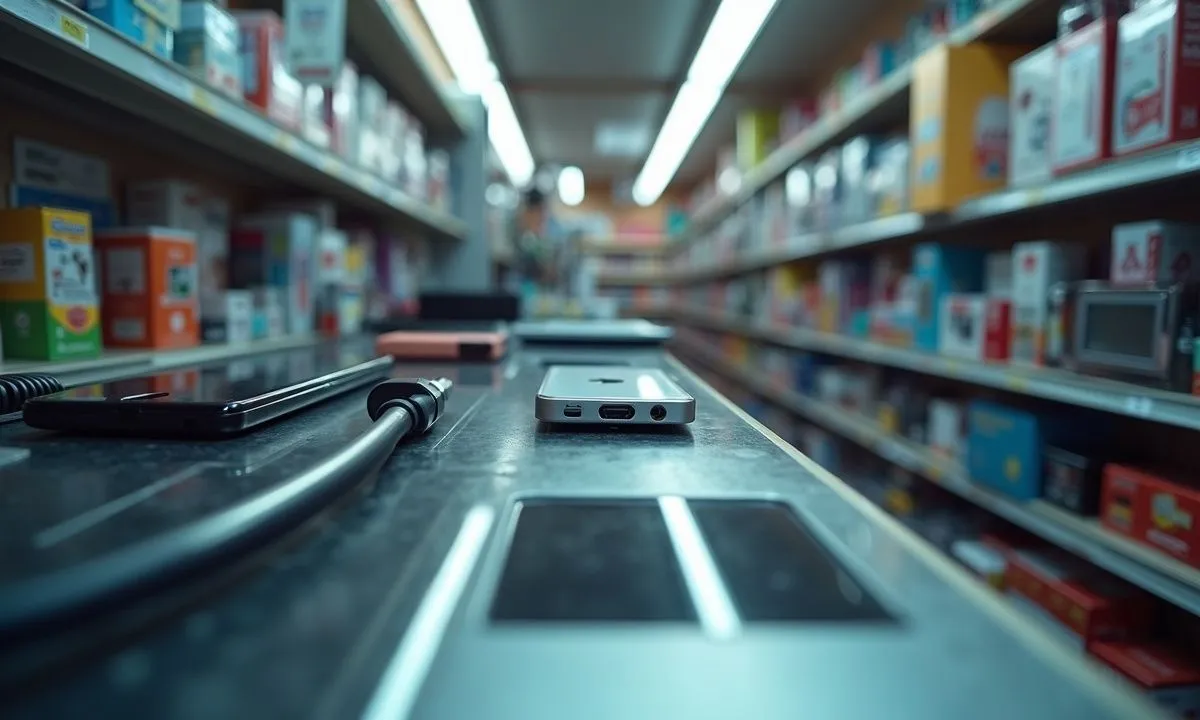
Walking through an electronics store today, one might wonder why USB-C hasn’t completely taken over our lives by now. It’s 2026, and the promise of a universal connector seemed within reach. Yet, as devices continue to flood the market, the reality is more complicated than expected. The situation is almost unbelievable: USB-C still hasn’t managed to replace everything, leaving consumers and tech enthusiasts scratching their heads. How did we get here?
The Slow Adoption of USB-C
When USB-C was introduced, it was heralded as a solution to the chaotic landscape of charging cables and ports. Its reversible design, faster data transfer speeds, and ability to power devices offered a lot of promise. Yet, years later, many devices still cling to their older ports. From smartphones to laptops, the diversity of connectors remains astounding.
Smartphones: A Case Study
Take smartphones, for instance. While many leading brands have transitioned to USB-C, others continue to rely on proprietary connectors. Apple, for example, has maintained its Lightning port for its iPhones, even as it adopts USB-C in other products. Each choice reflects a marketing strategy and a consumer base that relies on existing accessories.

This split creates a scenario where users often find themselves juggling multiple cables. Imagine a household where one person has an Android phone, another has an iPhone, and yet another uses a tablet with a different charging solution. Frustration can easily set in when someone needs to charge on the go.
Devices Still Stuck in the Past
Beyond smartphones, the slow adoption of USB-C can be seen across various devices. Laptops and tablets are prime examples. While many newer models have embraced USB-C, older generations remain tethered to traditional USB ports. This discrepancy often forces users to carry adapters or a mix of cables, which is hardly the streamlined situation that USB-C promised.
The Peripheral Problem
Another layer of complexity comes from peripherals. Printers, cameras, and external drives often stick to older USB standards. For instance, many photographers still rely on USB-A to transfer images from their cameras to computers. The hesitation to switch to USB-C is understandable; it can be costly to replace equipment that is still functional. In the world of business, especially, budget constraints often dictate the pace at which technology evolves.
Industry Standards and Compatibility Issues
Furthermore, the adoption of USB-C is not just about consumer choice; it’s also about industry standards and compatibility. Various manufacturers often implement USB-C differently, leading to confusion. Some cables support high-speed data transfer while others do not. The distinction is subtle but crucial. For a user trying to make the most of their device, choosing the right cable can become a daunting task.

Take charging speeds, for example. Not all USB-C chargers deliver the same wattage, which can lead to longer charging times for devices that require more power. This inconsistency creates doubt among consumers, who may stick to familiar, older charging methods that they know will work reliably.
Consumer Resistance and Preferences
Consumer habits play a significant role in the slow transition to USB-C. Many individuals have built extensive collections of accessories that work with their existing devices. The thought of transitioning to a new standard, even one as promising as USB-C, can feel overwhelming. People often prefer the familiar, especially when it comes to technology.
Additionally, the perception of reliability can be a major factor. Some users may believe that older connectors are more dependable, especially if they’ve had fewer issues. While this sentiment may not reflect the performance of USB-C, it highlights the inertia that often accompanies technological change.
Legislation and Future Directions
Interestingly, legislation is also pushing toward a more universal charging solution. The European Union has proposed regulations that mandate USB-C for all electronic devices, aiming to reduce electronic waste and improve consumer convenience. If adopted widely, such regulations could accelerate the transition to USB-C and simplify the current landscape.
However, the timeline for such changes remains uncertain. Manufacturers will need time to adapt their production lines and educate consumers about the benefits of switching. Until then, the coexistence of multiple charging standards will persist, creating an environment where the unbelievable reality of USB-C still not dominating the market continues.
Looking Ahead
As society becomes increasingly reliant on technology, the demand for a universal charging solution will only grow. While USB-C has made strides, its journey is far from over. The complexities of consumer habits, industry standards, and existing equipment mean that transitioning to a single, unified connector will likely take longer than anticipated.
Ultimately, the future may see a gradual phasing out of older connectors as new devices enter the market. Education and consumer awareness will play pivotal roles in this transition. As manufacturers promote the benefits of USB-C, users may gradually shift their preferences, leading to a more cohesive technological landscape.
Final Thoughts
The world of connectivity is evolving, but the pace is uneven. The situation with USB-C is a reminder that change is often slow and filled with unexpected hurdles. While it may be unbelievable that USB-C hasn’t replaced everything by 2026, the complexities of technology adoption reveal a deeper narrative about consumer behavior, industry standards, and the challenges of modernization. As we look ahead, embracing change will require patience, understanding, and perhaps a little more time.




Comments (0)
No comments yet. Be the first to comment!
Leave a Comment