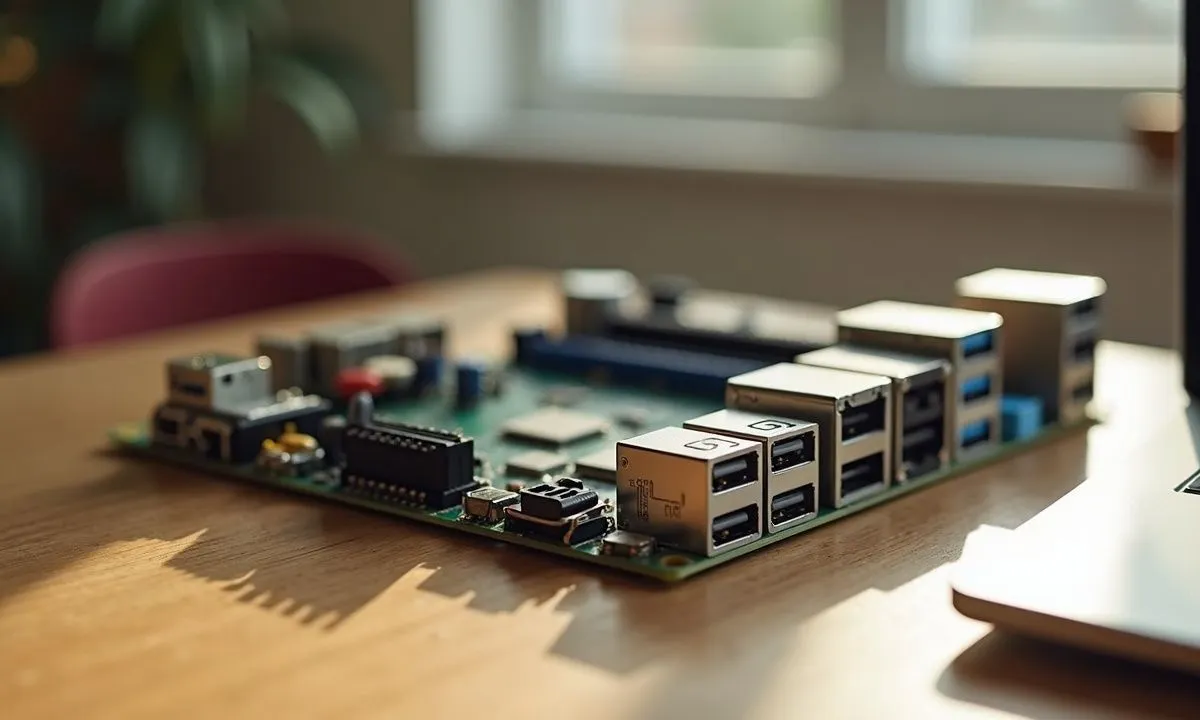
The tech world has always been a breeding ground for surprises, but the recent motherboard reveals for 2026 have left many enthusiasts pondering the future of connectivity. As we look at the trends emerging from these announcements, it’s clear that the future of USB-C isn’t quite what we anticipated. Rather than simply evolving existing standards, these new motherboards hint at a shift in how we think about connections and device interactions.
The Rise of USB-C: What Was Expected
When USB-C first appeared on the scene, it was hailed as a universal solution for connecting devices. The promise was straightforward: one port to rule them all. Laptops, smartphones, and peripherals quickly embraced the versatility of USB-C, offering faster data transfer rates and the ability to deliver power through a single cable. However, as we approach 2026, the expectations surrounding USB-C have become more complex.

Many anticipated that the next generation of motherboards would simply refine USB-C capabilities, focusing on speed increases and improved compatibility. Instead, what’s emerging from the latest tech reveals is a more multifaceted approach to connectivity. Motherboards are beginning to integrate a variety of ports and technologies that indicate a shift towards more specialized connections, alongside USB-C.
Motherboards: A New Focus on Versatility
The latest motherboard designs introduce a blend of legacy ports alongside USB-C, reinforcing the idea that a single connection standard may not be enough. This is particularly evident in gaming motherboards, where manufacturers are catering to the needs of gamers who require multiple connection types. High-speed Ethernet ports, HDMI 2.1, and even dedicated audio connections are making a comeback, suggesting that while USB-C will remain important, it is not the sole focus of future designs.
Gaming and Performance Needs
For gamers, performance is paramount. The new motherboards are designed with this in mind, presenting a diverse array of ports to ensure optimal connectivity. For instance, while USB-C may provide a fast data transfer option for peripherals, gamers often prefer dedicated connections for their keyboards and mice to minimize latency. The reintroduction of specialized ports highlights a growing acknowledgment that different use cases require different solutions.
Data Transfer and Charging: A Two-Pronged Approach
Another interesting observation from the 2026 motherboard reveals is the dual approach to data transfer and charging capabilities. USB-C, while versatile, sometimes falls short in meeting the high demands of data-heavy applications. Manufacturers are now integrating high-speed Thunderbolt ports alongside USB-C, allowing for even faster data transfers while maintaining the ease of charging. This duality in approach reflects a broader understanding of user needs, where speed and convenience are both paramount.
The Shift Towards Wireless Technology
As we move forward, the motherboard landscape is also shifting towards wireless technology. The integration of Wi-Fi 7 and advanced Bluetooth capabilities on new motherboards is a clear indicator that manufacturers recognize the growing preference for wireless solutions. While USB-C will continue to play a role, the increasing reliability of wireless technology suggests a future where physical connections may become less critical.

Consider the implications for everyday users. Imagine a home office where devices seamlessly connect without the clutter of cables, relying on robust wireless connections. The convenience of wireless charging paired with efficient data transfer could redefine how devices interact. This is not just about removing cables; it's about rethinking how we configure our spaces and use technology.
Compatibility and Future-Proofing
Another key theme from the motherboard announcements is compatibility. As technology evolves, the challenge of ensuring that new devices are backward compatible becomes increasingly important. The new motherboards are designed with this in mind, often including a mix of older ports alongside USB-C to accommodate a wide range of devices. This thoughtful integration allows users to transition to newer technologies without having to replace all of their existing hardware.
The Role of Standards
Standardization efforts are also gaining momentum. Organizations are pushing for clearer guidelines on what users can expect from USB-C in the future. With the introduction of USB4, which builds on the capabilities of USB-C, there is a concerted effort to ensure that consumers can easily understand what each port offers. The goal is to eliminate confusion and provide a clearer roadmap for future technological advancements.
Practical Implications for Consumers
For consumers, these changes might initially seem daunting. The landscape of connectivity is becoming more nuanced, and with that comes the necessity for informed purchasing decisions. As new motherboards reveal a more complex approach to connectivity, individuals will need to consider their specific needs. Are they gamers requiring low latency? Are they professionals focused on data-heavy applications? Or are they casual users who prioritize convenience?
Understanding the capabilities of new motherboards and their ports will be essential. Consumers will need to keep an eye on emerging technologies and how they fit into their lifestyles. This might mean investing in adapters or new peripherals that align better with the evolving landscape. For instance, while a new motherboard may feature multiple USB-C ports, there may be a need for additional Thunderbolt devices for maximum performance.
Looking Ahead: The Future of Connectivity
The motherboard reveals for 2026 suggest that the future of USB-C is not merely about refinement but about embracing a broader spectrum of connectivity options. As the tech world moves forward, manufacturers are recognizing that the needs of users are varied and complex. The result is a landscape that balances the convenience of USB-C with the performance of specialized connections, all while paving the way for wireless technology.
In a world increasingly defined by our connections, understanding the evolution of motherboards will be crucial. The way we interact with our devices is changing, and staying informed will help consumers navigate this new era of technology. Embracing these changes might just redefine how we think about connectivity in our daily lives.




Comments (0)
No comments yet. Be the first to comment!
Leave a Comment