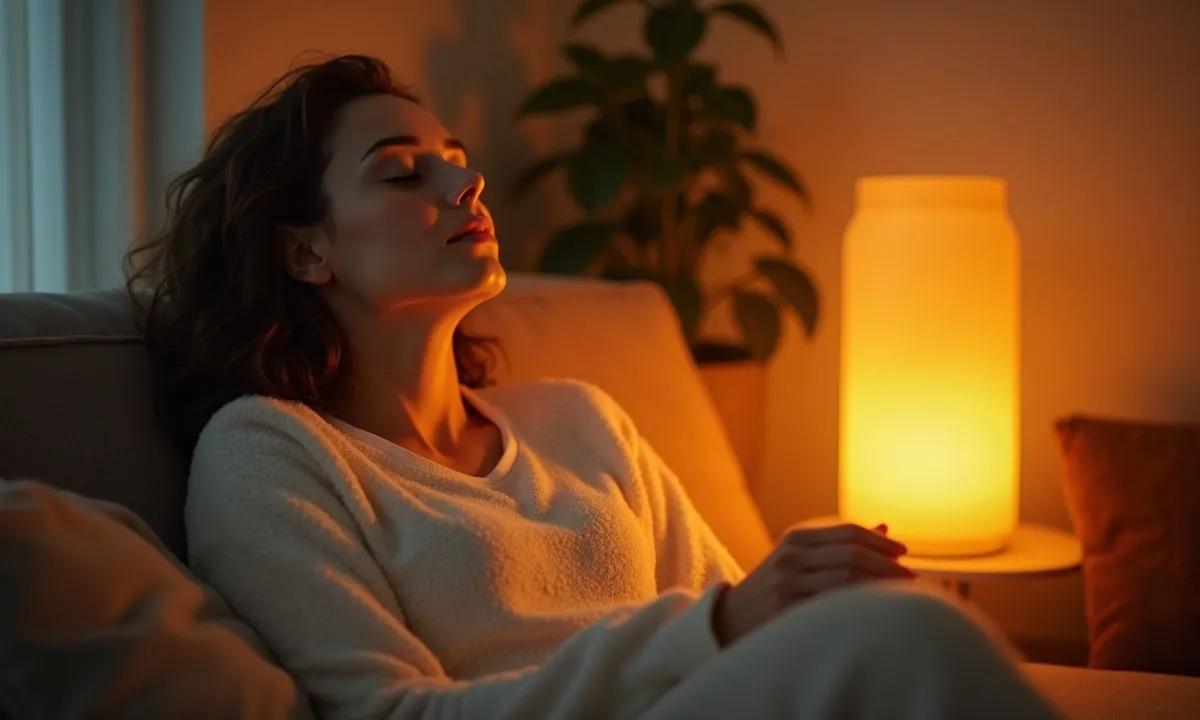
Walking into a room awash with soft, glowing light can feel like stepping into another world. The gentle hum of technology mingles with a sense of calm, drawing people in with promises of relaxation and rejuvenation. Light therapy has been gaining traction, not just in the realm of skincare but also as a holistic approach for overall well-being. In 2026, the transformations brought about by this method are more palpable than ever, with many individuals sharing their before-and-after experiences that speak volumes about its impact.
The Rise of Light Therapy
Light therapy has long been associated with seasonal affective disorder (SAD) and mood enhancement. Recent years have seen a surge in its popularity, with advancements in technology making it more accessible and appealing. Devices range from handheld gadgets to large panels, bringing the benefits of light therapy into homes across the globe. Users are reporting noticeable changes in their skin, mood, and energy levels, contributing to a growing community of advocates.
Real-World Transformations
A woman named Sarah, in her early thirties, shared her journey with light therapy on social media. Initially skeptical, she began using a red light therapy device for just a few minutes each day. After several weeks, she noticed her skin looked more radiant and felt smoother. Her friends began to comment on her “glow,” prompting her to post before-and-after pictures that showcased her subtle yet striking transformation. Her story resonated with many, reflecting a genuine curiosity about the effects of light therapy.

How It Works
The science behind light therapy is rooted in its ability to stimulate cellular processes. Different wavelengths of light are believed to energize cells, promoting various benefits. For instance, red light is often associated with skin rejuvenation, while blue light is typically used to address acne. Users have found that consistency is key; incorporating light therapy into their daily routines yields the best results.
Everyday Experiences
Consider John, who works long hours in front of a computer. He started using a light therapy mask during his breaks, aiming to combat the fatigue that often accompanies his busy schedule. Over time, he discovered that not only did his skin improve, but he also felt more alert and focused throughout the day. His experience highlights how light therapy can seamlessly fit into a hectic lifestyle, providing benefits beyond just aesthetics.
Community Support and Sharing
Social media platforms have become a haven for sharing personal stories related to light therapy. Hashtags such as #LightTherapyJourney and #BeforeAndAfterLight are filled with images and testimonials. People are not just showcasing the physical changes; they are also discussing emotional and mental shifts. A sense of camaraderie develops as individuals connect through their shared experiences, offering tips and encouragement along the way.

The Role of Influencers
Influencers in the wellness space have played a significant role in amplifying the visibility of light therapy. Many are using their platforms to demonstrate how they incorporate these devices into their routines. Their authentic portrayals resonate with followers, sparking interest and curiosity. For example, a fitness influencer known for her holistic approach to health recently featured her use of a light therapy panel in her daily regimen. The response was overwhelming, with followers eager to learn more and try it for themselves.
The Science Behind the Glow
While anecdotes abound, the scientific community is also taking notice. Various studies have begun to support the claims of light therapy's benefits. Research indicates that exposure to specific wavelengths can positively influence mood and skin conditions. This growing body of evidence has contributed to a shift in perception, as more people view light therapy as a legitimate complement to their wellness routines.
Considerations and Cautions
Despite the excitement surrounding light therapy, it's essential to approach it with a balanced mindset. Not every individual will experience the same results, and it's crucial to manage expectations. For some, it may be a game of trial and error to find the right device or routine that works for them. Consulting with a healthcare professional before starting any new regimen is always a prudent step.
Personal Stories of Change
Take the story of Mia, a college student who struggled with anxiety and skin issues. After incorporating light therapy into her self-care routine, she found it helped her unwind after long study sessions. Mia began sharing her journey, and her before-and-after photos illustrated not just skin improvement but a notable change in her confidence. Her story serves as a reminder that light therapy is more than just a physical enhancement; it can positively impact mental health as well.
Building a Routine
Establishing a consistent routine is crucial for anyone interested in light therapy. Many users recommend setting aside specific times during the day for their sessions, treating it as a moment for self-care and mindfulness. Whether it's in the morning to start the day with energy or in the evening to wind down, creating a ritual around light therapy can amplify its benefits.
The Future of Light Therapy
As we move further into 2026, the future of light therapy appears bright. With ongoing advancements in technology and an increasing number of studies validating its benefits, more individuals are likely to join the ranks of light therapy enthusiasts. Companies are innovating, creating devices that cater to diverse needs, from skincare to mood enhancement, ensuring that this wellness trend continues to flourish.
Final Thoughts on Light Therapy Transformations
Light therapy has emerged as a promising avenue for many seeking wellness and rejuvenation. The real-world transformations shared by everyday individuals provide compelling evidence of its potential. As more people document their experiences, the conversation surrounding light therapy becomes richer and more nuanced. For anyone considering this method, it can serve as a valuable addition to their holistic approach to health and well-being.




Comments (0)
No comments yet. Be the first to comment!
Leave a Comment