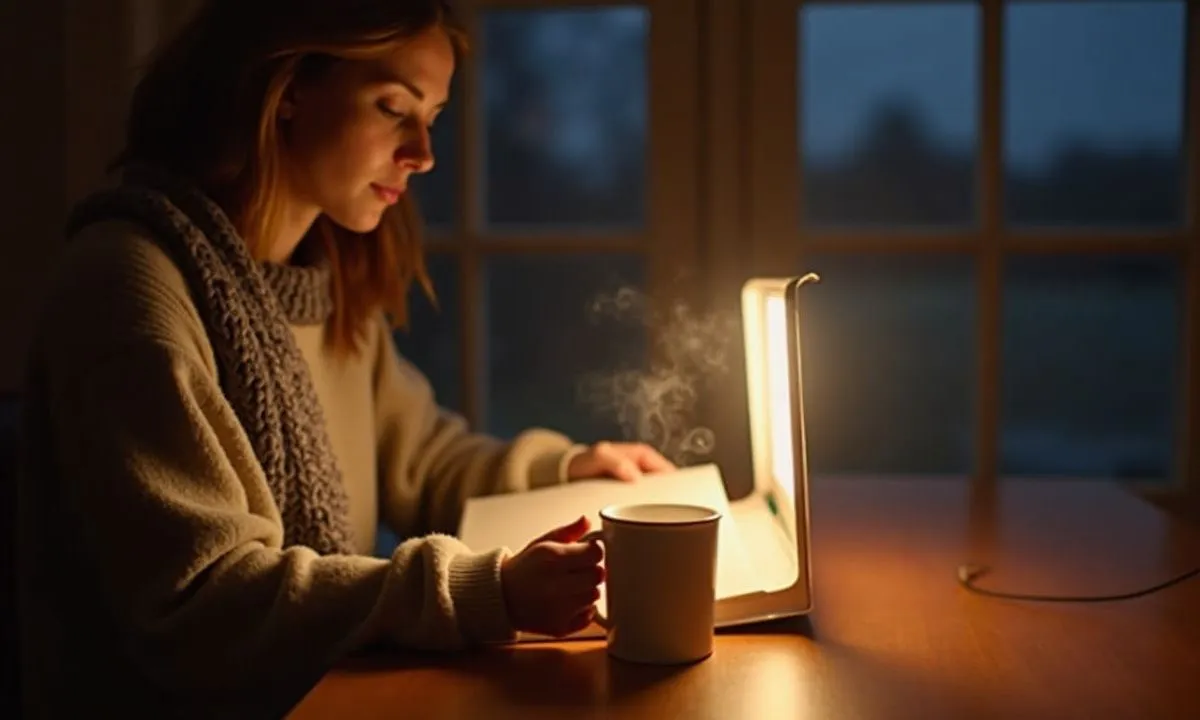
As the days grow shorter and the warmth of the sun becomes a distant memory, many people start to feel the weight of winter. The lack of natural light can lead to feelings of fatigue, sadness, and a general sense of disconnection. In recent years, a light therapy lamp has emerged as a popular tool to combat the winter blues, offering a glimmer of hope during the darker months. These lamps mimic natural sunlight, providing a much-needed boost to our daily lives when daylight is scarce.
The Science Behind Light Therapy
Light therapy, also known as bright light therapy, is based on the premise that exposure to bright light can positively influence mood and behavior. The concept is rooted in the understanding that natural sunlight affects our circadian rhythms, the internal clock that regulates our sleep-wake cycles. When these rhythms are disrupted by seasonal changes, particularly in winter, people may experience symptoms of Seasonal Affective Disorder (SAD) or simply feel less motivated and energetic.
Studies have shown that exposure to bright white or blue light can have an uplifting effect on mood and can help alleviate some of the symptoms associated with seasonal changes. This is where light therapy lamps become relevant, as they are designed to emit light at a specific intensity that mimics the sun’s rays.
Choosing the Right Light Therapy Lamp
With a variety of light therapy lamps available on the market, selecting the right one can feel overwhelming. Here are some key aspects to consider:
Brightness
The intensity of light is measured in lux, and most experts recommend a lamp that produces at least 10,000 lux for effective therapy. This level of brightness can help replicate the natural sunlight needed to stimulate the body’s biological clock.
Light Spectrum
Different lamps emit varying types of light. Some produce a full-spectrum light that closely resembles natural daylight, while others may emit a cooler blue light. Individuals may have preferences based on their experiences, so it can be helpful to try a few options to see what feels best.
Size and Portability
Consider where you plan to use the lamp. Some individuals prefer a compact design that can easily fit on a desk, while others may want a larger lamp that can be placed in a living area. Portability can also be a factor; if you travel often or want to move the lamp between rooms, a lightweight option may be ideal.
Incorporating Light Therapy into Your Routine
Integrating a light therapy lamp into your daily routine doesn't have to be complicated. Many people find success by using the lamp in the morning for about 20 to 30 minutes. This timing helps to align the body's internal clock with the natural rise of the sun, setting a positive tone for the day ahead.
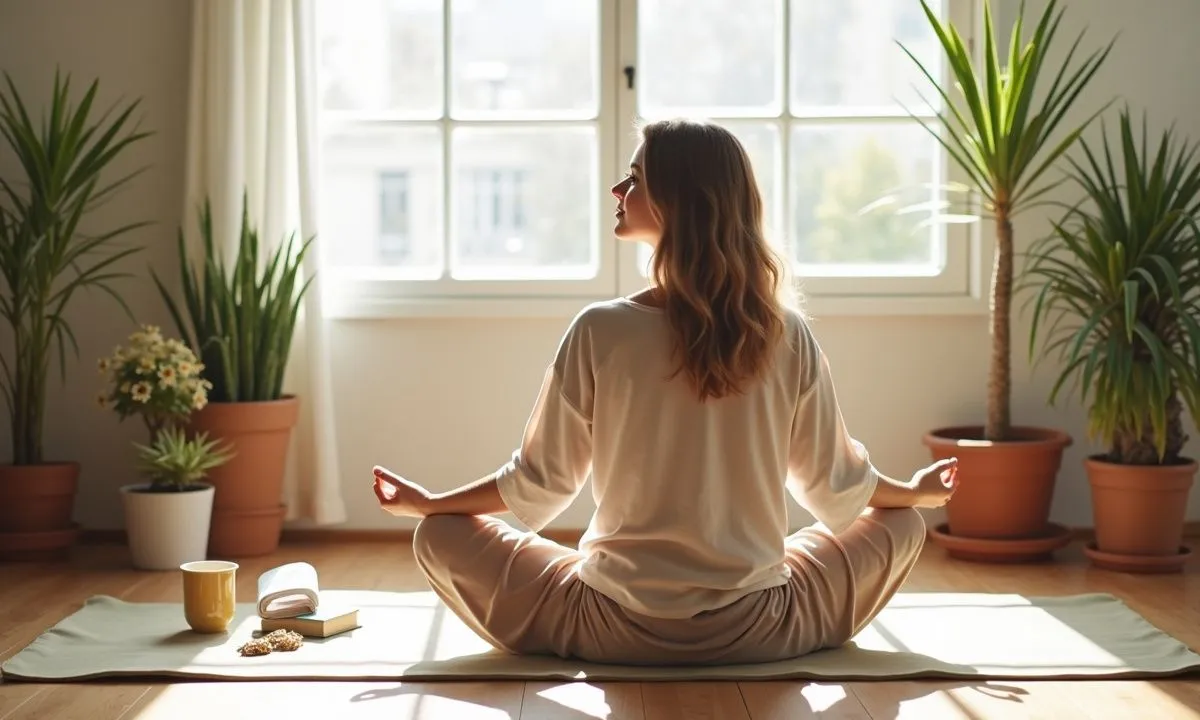
It’s important to position the lamp correctly. Ideally, it should be placed at eye level and about 16 to 24 inches away from your face for optimal exposure. You can engage in activities like reading, working, or even enjoying breakfast while basking in the light. Making this a part of your morning rituals can create a sense of normalcy and comfort during the winter months.
Real-Life Experiences
Many individuals have shared their experiences with light therapy lamps, highlighting both the challenges and benefits. Sarah, a teacher from Minnesota, found herself feeling increasingly lethargic each winter. After her doctor recommended a light therapy lamp, she decided to give it a try. “At first, I was skeptical,” she admits. “But after just a few days of using it in the morning, I noticed a significant change in my mood. I felt more awake and ready to tackle the day.”
Another story comes from James, an office worker in New York. He struggled with the seasonal darkness affecting his productivity. “Using the lamp while working has made a difference. I feel more focused and less inclined to feel down during those long winter months,” he shares. These personal anecdotes reflect a common theme: light therapy lamps can serve as a valuable addition to winter wellness routines.
Potential Drawbacks and Considerations
While many find light therapy lamps beneficial, they are not a one-size-fits-all solution. Some individuals may experience side effects such as headaches, eye strain, or agitation. It's wise to start with shorter sessions and gradually increase the duration to see how your body responds. Consulting with a healthcare provider before starting light therapy is a good idea, especially for those with existing health conditions or those who are on medications that may increase sensitivity to light.
Finding Balance During the Winter Months
The winter season often brings a mix of emotions. While many embrace the holidays and seasonal activities, the darker days can pose challenges to mental health. A light therapy lamp can be a simple yet effective tool for those seeking to maintain balance during this time. It serves as a reminder to prioritize self-care and find moments of brightness when the world outside feels muted.
Conclusion
As winter approaches, the need for light becomes increasingly apparent. For those grappling with the effects of reduced sunlight, a light therapy lamp can offer a sense of relief and a way to reclaim energy and motivation. Whether you're a skeptic or a believer, the real-life experiences of countless individuals highlight the potential benefits of incorporating light therapy into daily life. This winter, consider allowing a little extra light into your world and see how it can positively influence your mood and overall well-being.




Comments (0)
No comments yet. Be the first to comment!
Leave a Comment