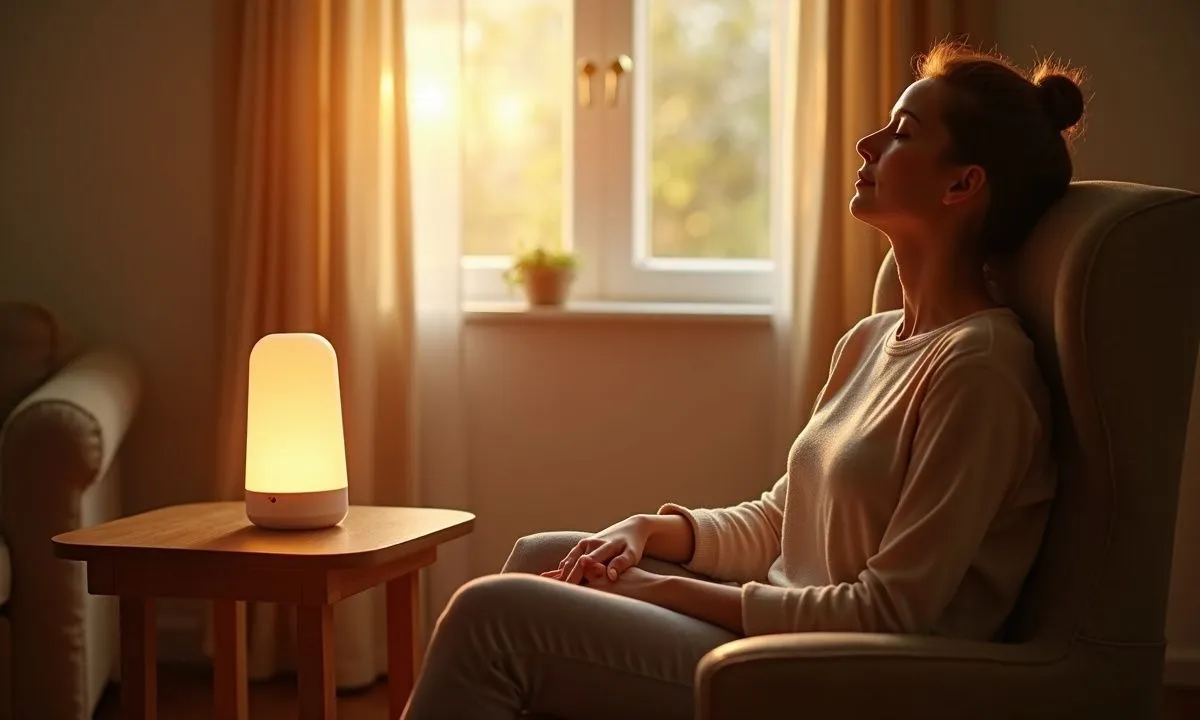
The days grow shorter, and as the sun starts to retreat earlier each evening, many people find themselves battling an unwelcome guest: winter blues. This seasonal shift can bring a sense of lethargy and gloom that blankets many during the colder months. It’s a familiar scenario for countless individuals, one where the vibrant energy of summer sun seems like a distant memory. Yet, within this seasonal struggle, light therapy lamps have emerged as a beacon of hope for those seeking relief from the emotional weight of winter.
The Science Behind Light Therapy
Light therapy, or phototherapy, involves exposure to artificial light that mimics natural sunlight. This method has gained traction among those dealing with Seasonal Affective Disorder (SAD), a type of depression related to changes in seasons. Research suggests that bright light can influence brain chemicals linked to mood and sleep, making light therapy lamps seem like a promising solution for combating winter-related melancholy.
How Light Therapy Works
The premise is fairly straightforward. By sitting in front of a light therapy lamp for a specified amount of time each day, users can help regulate their circadian rhythms and mood. Typically, these lamps emit a bright light that is much more intense than standard indoor lighting, offering a dose of brightness that can counteract the effects of darker days. Users often find that daily sessions help improve their mood, energy levels, and overall well-being.

Selecting an Effective Light Therapy Lamp
Not all light therapy lamps are created equal. When considering which lamp to incorporate into your daily routine, several factors should be taken into account. A lamp's brightness, design, and usability can significantly impact its effectiveness and your willingness to use it regularly.
Brightness Matters
Light intensity is measured in lux, and for effective light therapy, a lamp should emit at least 10,000 lux. This level of brightness allows users to receive the adequate exposure needed to reap potential benefits. Some lamps offer adjustable brightness settings, which can be beneficial for different times of the day or personal comfort levels.
Design and Portability
The design of the lamp can influence where and how you use it. Some lamps are sleek and modern, easily fitting into home or office environments, while others have more of a utilitarian appearance. Portability is another consideration. A lightweight lamp that can be easily moved from room to room or taken on trips may encourage more consistent use.

Top Light Therapy Lamps on the Market
After testing various models, here are a few light therapy lamps that have received positive feedback for their performance and user-friendly designs.
Carex Day-Light Classic Plus
This lamp boasts a 10,000 lux output and a wide surface area, making it an excellent choice for those needing a larger light source. Its adjustable height and angle allow for versatility in positioning, making it easy to fit into various spaces. Users appreciate its effectiveness and the ability to customize the light exposure time.
Verilux HappyLight Luxe
For those looking for a portable option, the Verilux HappyLight Luxe offers a compact design without compromising on light intensity. It emits up to 10,000 lux and includes multiple brightness settings. Users have found it particularly useful for maintaining a bright atmosphere in smaller living spaces.
Philips Wake-Up Light Alarm Clock
This lamp combines the benefits of light therapy with a wake-up alarm feature. It gradually increases light intensity to simulate a natural sunrise, making waking up a more pleasant experience. While it may not reach the same lux levels as dedicated therapy lamps, many users find it a helpful addition to their morning routine.
Incorporating Light Therapy into Daily Life
Integrating a light therapy lamp into your routine can be straightforward and even enjoyable. Many users find that placing the lamp in their workspace or near their favorite chair can encourage consistent use. Aim for a session of about 20 to 30 minutes each morning, ideally during the first few hours after waking. This timing allows the light to work with your body’s natural rhythms.
Setting a Routine
Establishing a routine can enhance the effectiveness of light therapy. Treat it like a morning ritual: set your lamp in a comfortable spot, sip your morning coffee or tea, and spend time reading or journaling in its glow. Making it part of a larger self-care routine can help reinforce the habit.
Monitoring Your Mood
Keeping track of your mood before and after starting light therapy can provide insight into its effects. Consider maintaining a simple journal where you note your feelings and energy levels. Over time, patterns may emerge, giving you a clearer picture of how the light therapy lamp is impacting your daily life.
Potential Drawbacks and Considerations
While many people find light therapy lamps beneficial, they are not a one-size-fits-all solution. Some users report eye strain or headaches, especially if they are not positioned correctly or used for too long. It’s essential to follow the manufacturer's guidelines and consult with a healthcare professional, particularly for individuals with pre-existing eye conditions.
Creating a Light-Friendly Environment
To maximize the benefits of light therapy, consider complementing your lamp with other light sources. Opening curtains during the day, incorporating bright decor, and using full-spectrum bulbs in your home can further enhance your environment. The goal is to create a bright and inviting atmosphere that supports your mood year-round.
Final Thoughts on Light Therapy
As winter casts its long shadow, light therapy lamps present a viable option for those seeking to brighten their days. By choosing the right lamp and incorporating it into a daily routine, individuals may find relief from the winter blues. Whether it’s the Carex Day-Light Classic Plus or a smaller model like the Verilux HappyLight, the right choice can make a difference in navigating the darker months ahead.




Comments (0)
No comments yet. Be the first to comment!
Leave a Comment