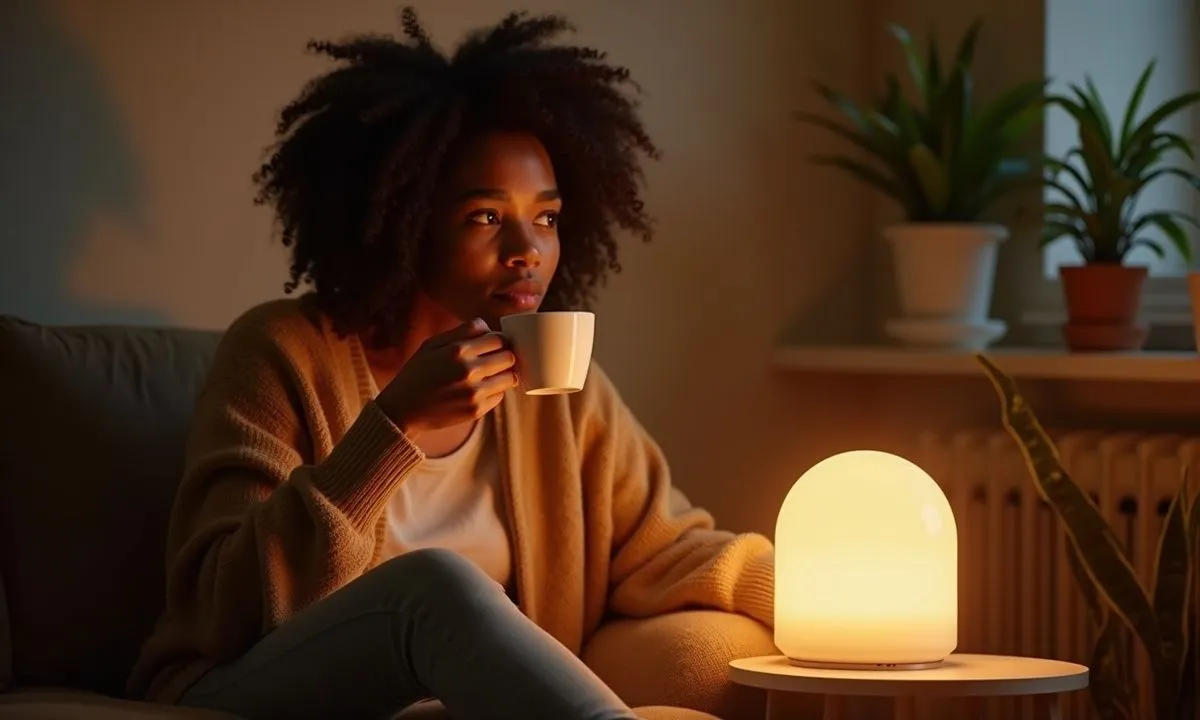
As the days grow shorter and the weather turns colder, many people find themselves feeling a bit down. But what happens when that feeling lingers long after the seasons change? Non-seasonal depression affects many individuals year-round, often leaving them in a fog of hopelessness and fatigue. In the midst of this, light therapy lamps have emerged as a beacon of hope, offering a different kind of brightness in dark times. In 2026, these lamps are not just a seasonal remedy; they are gaining recognition as a valuable tool for managing depression regardless of the season.
Understanding Non-Seasonal Depression
Non-seasonal depression, often referred to as major depressive disorder, can manifest in various ways. Symptoms may include persistent sadness, a lack of interest in activities once enjoyed, fatigue, and difficulties in concentrating. Unlike seasonal affective disorder, which is triggered by changing seasons, non-seasonal depression can strike at any time, often without a clear cause. This unpredictability can make it particularly challenging for those affected.
The Role of Light
For centuries, humans have been attuned to the rhythms of nature, and light plays a crucial role in our mental health. Sunlight helps regulate our circadian rhythms, influencing sleep patterns and mood. With the rise of urban living, many people find themselves spending more time indoors, away from natural light. This lack of exposure can contribute to feelings of sadness and lethargy. Light therapy lamps aim to simulate natural sunlight, providing an alternative source of light that can help lift spirits.

The Science Behind Light Therapy
Light therapy works by mimicking the effects of natural sunlight. When individuals sit in front of a light therapy lamp, the bright light enters the eyes and signals the brain to produce serotonin, a neurotransmitter associated with mood regulation. This interaction can help alleviate symptoms of depression and improve overall well-being. Studies have shown that consistent use of light therapy can lead to noticeable improvements in mood and energy levels for many people.
Choosing the Right Lamp
With a myriad of light therapy lamps available on the market, finding the right one can be daunting. Key factors to consider include the lamp's brightness, size, and UV filter. A lamp with a brightness of at least 10,000 lux is commonly recommended for effective results. It's also essential to ensure the lamp is designed specifically for light therapy, as not all bright lights offer the same benefits. Users should also consider the size and portability of the lamp, especially if they plan to use it in various spaces throughout their home.
Integrating Light Therapy into Daily Life
For those considering light therapy as a part of their routine, integration is key. Many users find success by setting aside time each morning to sit in front of the lamp while engaging in other activities, such as reading or enjoying breakfast. Consistency is crucial; most experts recommend using the lamp for about 20 to 30 minutes daily. Over time, individuals can assess how they feel and adjust their routines as needed.
Real-Life Experiences
Sarah, a 34-year-old marketing professional, struggled with non-seasonal depression for years. After hearing about light therapy from a friend, she decided to give it a try. “At first, I was skeptical,” she recalls. “But after a few weeks of using the lamp every morning, I noticed I was feeling more energetic and engaged with my work.” This personal account highlights how light therapy can serve as a practical addition to one's daily routine, providing a sense of normalcy and brightness even in the absence of natural sunlight.
Combining Approaches for Better Results
While light therapy has shown promise, it is often most effective when used in conjunction with other methods of managing depression. Therapy, medication, and lifestyle changes can all play a role in improving mental health. Individuals may find that participating in regular physical activity, maintaining a balanced diet, and practicing mindfulness can complement the benefits of light therapy. This holistic approach allows for a more rounded strategy in coping with non-seasonal depression.
Community and Support
Support systems play an essential role in managing depression. Friends, family, and mental health professionals can provide encouragement and understanding throughout the journey. Online communities and support groups have also become increasingly popular, offering spaces where individuals can share their experiences and learn from others facing similar challenges. These connections can reduce feelings of isolation and provide additional coping strategies.
The Future of Light Therapy
As we move further into 2026, the use of light therapy lamps is expected to become more widespread. Advances in technology may lead to more effective lamps, and increased awareness around mental health will likely encourage more people to seek out this resource. Additionally, as research continues, we may learn more about the specific ways light therapy can assist in various mental health conditions, broadening its applicability beyond just depression.
Light therapy is an intriguing option for those navigating the complexities of non-seasonal depression. By providing a source of bright light that can mimic the sun, these lamps offer a practical solution for many individuals looking to improve their mood and overall well-being. While light therapy is not a one-size-fits-all approach, it represents a valuable addition to the toolkit for managing depression. As awareness grows and more individuals share their stories, light therapy may shine even brighter as a beacon of hope for those seeking support against the shadows of non-seasonal depression.




Comments (0)
No comments yet. Be the first to comment!
Leave a Comment