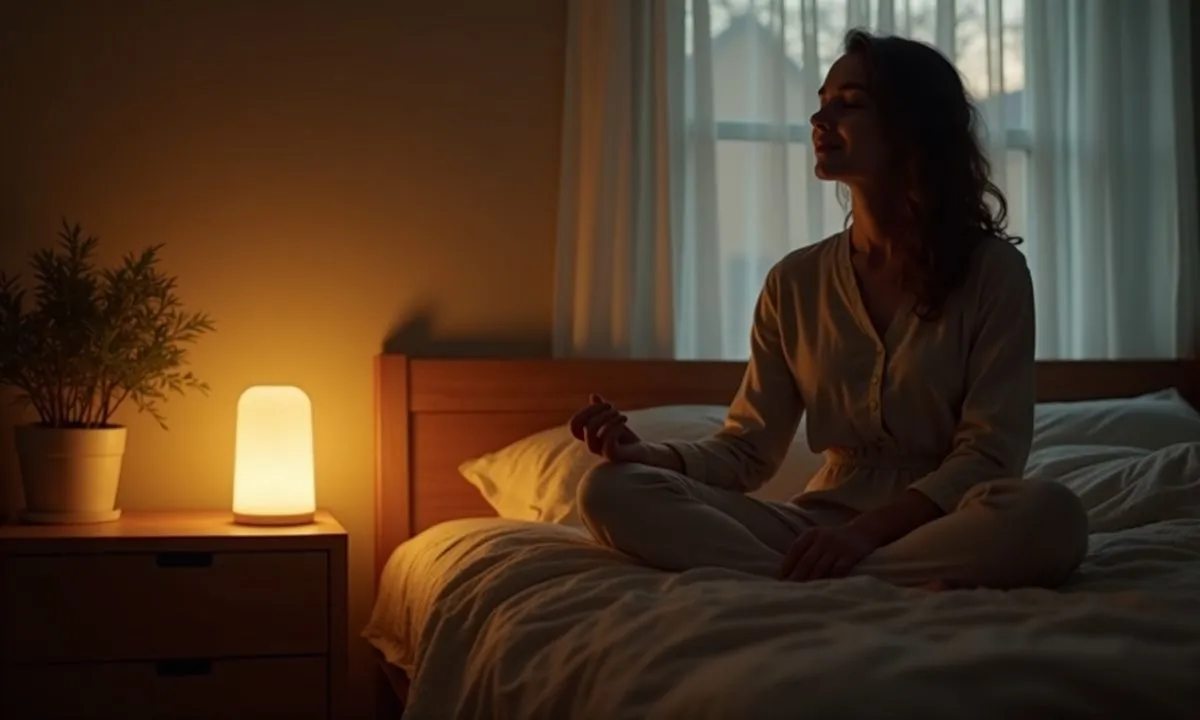
As the days grow shorter and the nights longer, many find themselves grappling with the challenges of sleep and focus. The fading light can have a profound impact on our mood and energy levels, leading to feelings of lethargy and distraction. In recent years, light therapy lamps have gained attention as a potential ally in this struggle, offering what many believe to be a simple solution to combat the winter blues and improve overall well-being. With 2026 on the horizon, understanding the benefits of these lamps may just be the key to achieving better sleep and heightened focus.
Understanding Light Therapy
Light therapy involves exposure to specific wavelengths of light, typically mimicking natural sunlight. This technique is often used to address seasonal affective disorder (SAD), a type of depression that occurs at certain times of the year, usually in winter when daylight hours are limited. The idea is that by increasing exposure to bright light, individuals can experience an improvement in mood and energy levels.
How Light Impacts Our Well-Being
Our bodies have a natural rhythm, known as the circadian rhythm, which is influenced by light. This internal clock regulates sleep-wake cycles and other physiological processes. When we lack exposure to natural light, particularly during the darker months, our circadian rhythms can become disrupted. This can contribute to poor sleep quality and diminished cognitive function.

Light therapy lamps simulate daylight, providing a bright, white light that can help reset these biological clocks. Many users report feeling more alert and focused after just a few days of consistent use. However, it's not just those affected by SAD who can benefit; anyone facing the challenges of reduced daylight may find that these lamps enhance their daily lives.
Choosing the Right Light Therapy Lamp
When considering a light therapy lamp, it's essential to choose one that meets specific criteria. A quality lamp should emit at least 10,000 lux of light, which is the intensity required to have a positive effect on mood and energy. Additionally, it should filter out UV rays, as exposure to ultraviolet light can be harmful to the skin.
Practical Uses of Light Therapy Lamps
Incorporating light therapy into daily routines doesn’t have to be complicated. For instance, many people find success by placing a lamp on their desk while working from home or in the kitchen during breakfast. Spending just 20 to 30 minutes in front of the lamp each morning can be sufficient to start the day on a brighter note.

Another effective strategy is to use the lamp before bedtime. While this may seem counterintuitive, some individuals find that exposure to bright light in the evening can regulate their sleep patterns, helping them to fall asleep more easily when they turn off the lamp. Experimenting with timing can be key to discovering what works best.
Real-World Applications: Stories from Users
Many light therapy users have shared their experiences, illustrating the varied benefits they have encountered. For example, Jane, a busy marketing professional, found it challenging to maintain her energy levels during the dreary winter months. After integrating a light therapy lamp into her morning routine, she noticed a significant shift in her focus and productivity. “I used to struggle to get going in the morning, but now I feel more awake and ready to tackle my work,” she explained.
In another case, Mike, a college student, reported improved concentration while studying. He had been battling fatigue and a lack of motivation, but after using a light therapy lamp for a few weeks, he felt more engaged in his coursework and more inclined to participate in classroom discussions. “It’s like a switch flipped in my brain,” he said. “I can study longer and actually retain what I learn.”
Considerations for Effective Use
While light therapy lamps can be beneficial, they do require some thoughtful consideration. It’s advisable to consult with a healthcare provider before starting light therapy, especially for those with pre-existing conditions or those taking medications that may increase sensitivity to light.
Potential Drawbacks
Though rare, some users may experience side effects such as eye strain, headaches, or irritability. Adjusting the distance from the lamp or the duration of exposure can often mitigate these issues. It’s also wise to avoid looking directly at the light and to ensure that the lamp is positioned at an angle that provides indirect illumination.
Looking Ahead: The Future of Light Therapy
As awareness of light therapy continues to grow, it’s likely that more research will emerge, exploring its potential applications beyond mood regulation. There is already interest in how light therapy can impact workplace productivity, athletic performance, and overall mental health. For those seeking a natural way to improve their daily lives, light therapy lamps may soon become a household staple.
With 2026 approaching, individuals seeking better sleep and focus may find that integrating light therapy into their routines is a simple yet effective strategy. As we adapt to the changing seasons, embracing this tool may provide the light we need to navigate the darkness, both literally and figuratively.
Whether it’s brightening up a dreary morning or enhancing evening study sessions, light therapy holds promise for many. As more people begin to recognize its benefits, it may just become a quiet companion in the quest for balance and clarity in our busy lives.




Comments (0)
No comments yet. Be the first to comment!
Leave a Comment